
New Models · August 23, 2026
By Jet Sport Trader · Updated November 13, 2026
Yamaha Brings Back the WaveBlaster as a Single-Rider Sport Jet Ski
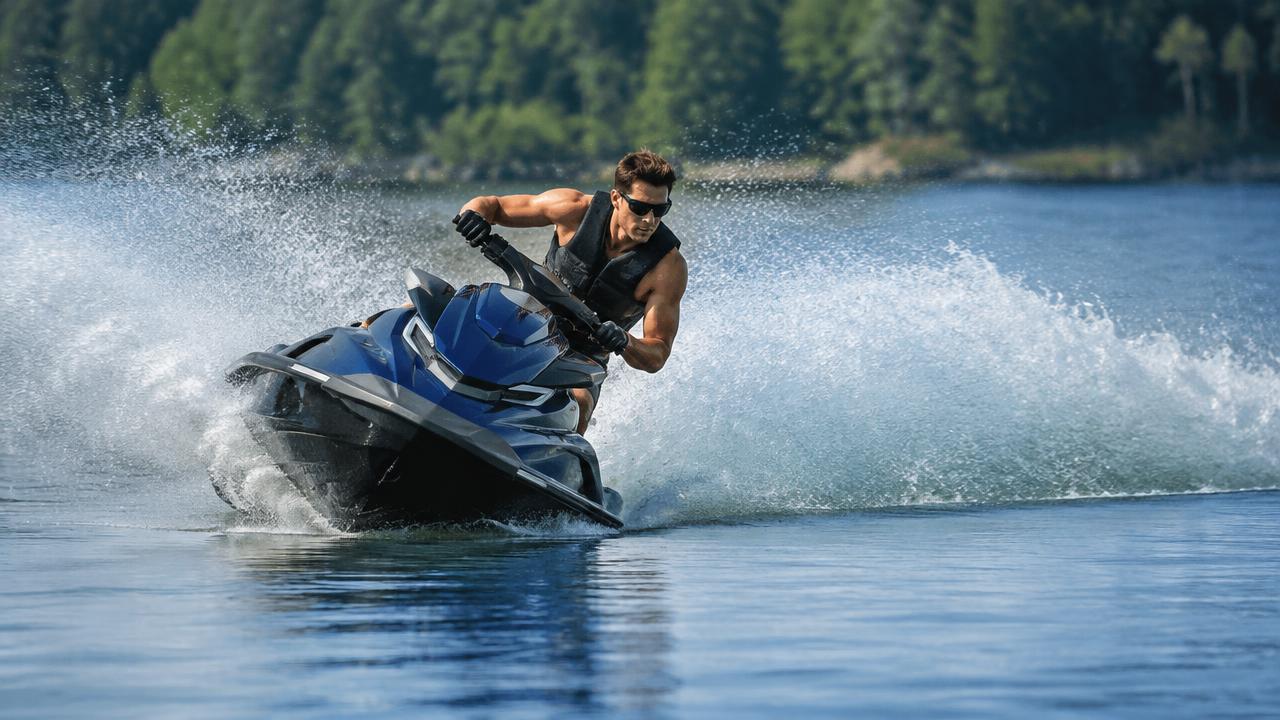
Yamaha has brought the WaveBlaster name back to its WaveRunner range, but the new single-rider personal watercraft is not presented as a replica of the original. In its August 23, 2026 announcement, Yamaha describes a compact sit-down craft designed to lean into turns and reward rider input. The launch also introduces a Sport class that brings the WaveBlaster together with the stand-up SuperJet. The emphasis is on an active riding session rather than passenger capacity or a long-distance touring checklist.
That makes the return interesting for both long-time enthusiasts and buyers discovering the name for the first time. A familiar badge creates excitement, but the practical questions concern the modern hull, engine, capacity and ownership requirements. This report draws on Yamaha's announcement and model specifications. Jet Sport Trader has not conducted a water test, so handling descriptions below are attributed to Yamaha rather than presented as our measured experience.
Why the WaveBlaster Name Matters
Yamaha's announcement recalls the original early-1990s WaveBlaster and its following among riders who enjoyed an involved, playful sit-down experience. The new version draws on that identity while using a modern platform. The manufacturer explicitly frames it as an all-new ride, not simply a heritage reissue. Buyers should therefore avoid assuming that older parts, dimensions or riding characteristics carry over to the current craft.
For an owner of an original WaveBlaster, the new machine may offer a contemporary alternative for regular riding while preserving the older craft as a separate project. For a first-time shopper, the heritage is useful context rather than a reason to skip basic suitability checks. What matters is whether a one-person sport watercraft matches the way you intend to spend time on the water.
Official Yamaha launch announcement: yamahawaverunners.com
A Lean-In Hull Rather Than a Conventional Runabout
The central message in Yamaha's launch is that the WaveBlaster leans into corners. Yamaha contrasts this with runabouts that stay flatter during a turn and describes a riding style in which body position, line choice and throttle input are important. That is a positioning statement about the intended experience, not a promise that every rider will immediately find the craft easier or faster than a familiar three-seat machine.
On its product page, Yamaha lists a VARTM composite hull, a 144 mm jet pump and no sponsons as elements of the design. These details help explain the manufacturer's focus on roll and rider input. Their real-world effect will depend on rider skill, load and conditions. Anyone moving from a larger recreational PWC should allow time to learn the controls and response rather than assuming all sit-down craft behave alike.
Why Rider Position Deserves Attention
A sport-focused riding position can be a defining part of a watercraft's appeal. Yamaha describes a centered position and molded-in foot chocks for support through turns and transitions. In a showroom, check whether the seat, handlebars and foot areas suit your height and mobility. If an authorized demonstration is possible, concentrate first on predictable control, comfortable posture and reboarding, not on reproducing a promotional riding sequence.
Official WaveBlaster Specifications
Yamaha's US product page lists a one-person capacity, a dry weight of 425 pounds and a five-gallon fuel capacity. It identifies the engine as a 1,049 cc, three-cylinder, four-stroke TR-1 High Output Yamaha Marine Engine and specifies regular unleaded gasoline. The listed starting price is $11,999. These are manufacturer specifications and a starting price, not the weight of a fueled, fully equipped watercraft or an all-inclusive dealer offer.
A dry-weight figure does not include every item that may matter when towing, lifting or storing the craft. Fuel, equipment and the trailer add to the complete load. Check the relevant towing and loading limits for your vehicle and trailer using the actual combination you plan to use. Compact size alone is not sufficient evidence that a particular vehicle can transport the watercraft safely.
Yamaha's model page and specification table: yamahawaverunners.com
Treat Target Speed as a Target
The product page describes a target top speed in the mid-50 mph range. That is not an independently verified result from Jet Sport Trader and should not be treated as a guaranteed speed for every rider or condition. Water state, loading and environmental factors can affect performance. A buying decision is better based on the overall riding experience and suitability than on an attempt to prove a maximum-speed claim during a demonstration.
Compare these developments with 2027 Sea-Doo Spark X Gets a 110hp Engine and New Hull, Kawasaki Overhauls Its 2027 Jet Ski Range With New Ultra 310 Tech and Sea-Doo Pushes Its 2027 Performance Jet Skis to 350 Horsepower for a wider view of new models and jet ski ownership.
Learning Mode and Everyday Equipment
Yamaha lists Learner Mode, also referred to as L-Mode, as part of the WaveBlaster's equipment. The manufacturer describes reduced engine output for newer riders or controlled environments. That can be a useful feature to discuss with the dealer, but a reduced-output setting is not a substitute for training, supervision where appropriate, or compliance with local age and operating requirements.
The specification list also includes a fuel gauge, automatic bilge and reboarding holder. Ask for a demonstration of the actual controls and reboarding arrangements on the unit being sold. Check the operator manual for how each feature should be used and what routine inspection is required. Promotional summaries necessarily leave out details that become important during everyday ownership.
WaveBlaster and SuperJet: Two Different Sport Options
The new Yamaha Sport class groups the sit-down WaveBlaster with the stand-up SuperJet. The shared theme is single-rider engagement, but the riding formats remain different. A buyer should not assume that enjoying one automatically means the other will suit them. Consider your previous experience, balance, fitness, local riding areas and preferred session length when evaluating either type.
The Sport label also helps separate these models from passenger-oriented WaveRunners. Someone who regularly carries family or friends needs a craft with an appropriate rated capacity and suitable seating. A one-person WaveBlaster is not a flexible substitute for a larger recreational model simply because it belongs to the same manufacturer's range.
Match Capacity to the Intended Use
The official WaveBlaster rating is one person. Do not buy it expecting to add a passenger later or treat an accessory as permission to exceed that rating. If shared rides, group touring or towing sports form an important part of your plan, discuss a different model and its specific capacity with the dealer. It is easier to choose the correct type before purchase than to discover afterwards that a favorite activity does not fit the watercraft.
Buying a New WaveBlaster
Start with an itemized dealer quote that separates the craft, preparation, transportation, accessories, taxes and any trailer. The $11,999 starting price is a useful reference point, but it is not a complete ownership budget. Confirm the model year, market specification, delivery timing and applicable warranty terms in writing. Ask which accessories are included and which shown in photographs are optional.
Inspect the actual watercraft before handover. Check the hull and deck for damage, review the delivery paperwork and ask the dealer to explain the first service requirements. If a demonstration ride is offered, wear appropriate safety equipment and follow the organizer's rules. Choose an environment in which learning the craft is possible without pressure to perform aggressive turns or keep up with more experienced riders.
Comparing the New Model With an Original WaveBlaster
An original WaveBlaster and the new version should be evaluated as different purchases. An older machine can appeal for its history and character, but age, previous repairs and parts availability can become significant ownership factors. A newer platform may have different maintenance needs, equipment and support. Compare the actual examples rather than assuming a heritage badge makes their costs or reliability equivalent.
For an older used watercraft, request ownership documents, service records and details of any modifications. Inspect the hull, steering, pump and visible engine-area condition, then consider an assessment by a technician familiar with the model. A low asking price can quickly lose its appeal if important components require work or the history is uncertain. This article does not predict collectible values for original WaveBlasters.
Read Used Advertisements Critically
Look for photographs of the real item, not only promotional imagery. Confirm whether the trailer, cover and spare parts mentioned in the description are included in the sale. Ask direct questions about storage, saltwater use and repairs. An attractive title or a claim that a craft is rare does not establish its mechanical condition or prove that the asking price reflects recent completed sales.
Who Should Consider the WaveBlaster?
The new WaveBlaster is most relevant to shoppers who specifically want a compact, single-rider sit-down PWC and an active, corner-focused experience. Yamaha's launch gives that style a distinct place in its current range rather than treating every buyer as a passenger-oriented recreational rider. Enthusiasts can welcome the return of the name while still making a careful, practical comparison with other options.
Read the current manufacturer specifications, assess the riding position and budget for transport, safety equipment, insurance and servicing. If your needs center on passengers or extended trips, compare a suitable recreational or touring craft instead. The illustration accompanying this report is not a verified production-model photograph; use the linked Yamaha material and the actual dealer unit when assessing appearance and equipment.
Considering your next watercraft? Buy & Sell Jet Skis through Jet Sport Trader and compare real dealer and private-seller listings alongside the industry news.